
— QUALITY OF LIFE ASSESSMENT
What does a good life look like — and how do we build toward that?
Good care addresses health, safety, and the practical needs of daily life. But quality of life is also shaped by the relationships, interests, experiences, and opportunities that make each person’s life uniquely their own.
Salem Elder Care’s Quality of Life Assessment takes a closer look at what brings a client enjoyment, stimulates curiosity, fosters connection, and creates a sense of purpose. I identify what may be getting in the way and help develop creative, realistic ways to bring more of what matters into everyday life.
Winston-Salem, NC · Independent & Unbiased Care Management
Why Quality of Life assessment?
When older adults begin to experience physical or cognitive changes, it is not uncommon for them to participate less in the activities, relationships, and experiences that bring meaning to their lives.
Older adults may see friends less often, lose touch with hobbies and interests, and become increasingly disconnected from the experiences that have given their lives color and purpose. Because these changes often happen gradually, they can be easy to overlook—especially within care systems where health, safety, and daily care needs understandably receive much of the attention.
But these changes do not mean there have to be fewer opportunities for enjoyment and involvement. Even as abilities change, there are often ways for older adults to stay connected and continue taking part in the world around them. Sometimes that means finding new ways to enjoy familiar activities; it can also mean discovering new sources of fulfillment.
The Quality of Life Assessment is a deeply personalized evaluation that goes beyond medical history and functional ability. I work to identify what matters most to each client, explore why meaningful parts of life may have become more difficult to access, and develop practical, individualized next steps built around what is still possible.
Research from the National Institute on Aging (NIA) highlights the role meaningful engagement plays in healthy aging. Social connection, a sense of purpose, physical activity, intellectual stimulation, and creative pursuits have each been associated with better physical, cognitive, and emotional well-being in later life. The NIA also points to the well-documented health risks of loneliness and social isolation — a reminder that staying connected matters at every age.
A key takeaway: physical or cognitive changes do not mean meaningful engagement has to disappear from an older adult’s life. Even when abilities shift, there are usually ways to take part in the activities and relationships that feel personally important.
This research supports a broader view of healthy aging — one that asks not only how an older adult’s health is being managed, but whether they are still finding fulfillment in the life they are living.
Learn more:
Participating in Activities You Enjoy As You Age, National Institute on Aging
Loneliness and Social Isolation — Tips for Staying Connected, National Institute on Aging
What Do We Know About Healthy Aging?, National Institute on Aging
The Quality of Life Assessment is an in-depth conversation and evaluation exploring:
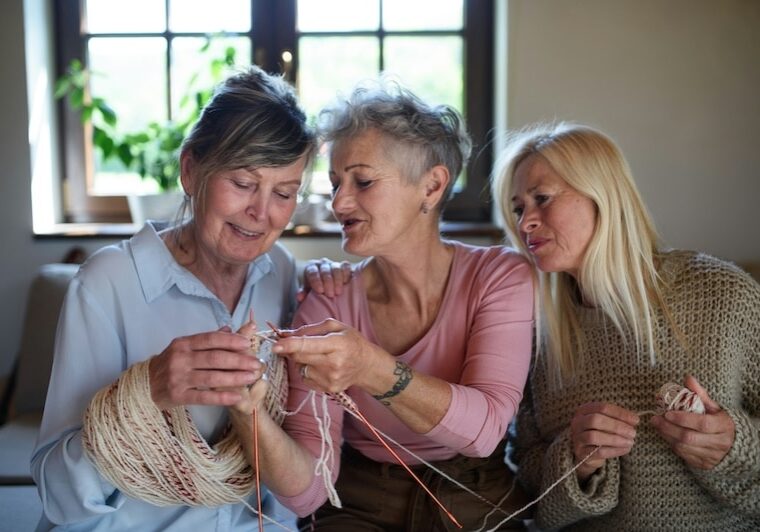
Interests, Creativity & Learning
What has sparked curiosity and enjoyment throughout life—and how might those parts of life continue in ways that fit current abilities?

Relationships & Social Connection
Who has been important throughout life? What has created a sense of belonging? And how can those connections be supported and nurtured?
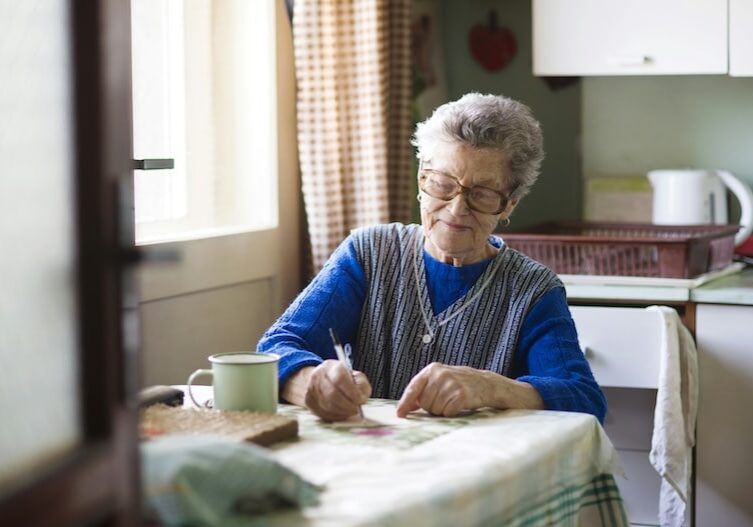
Purpose, Identity & Spirituality
What has been central to this person’s sense of identity—and how can meaningful roles, beliefs, and a sense of purpose continue to have a place in daily life?
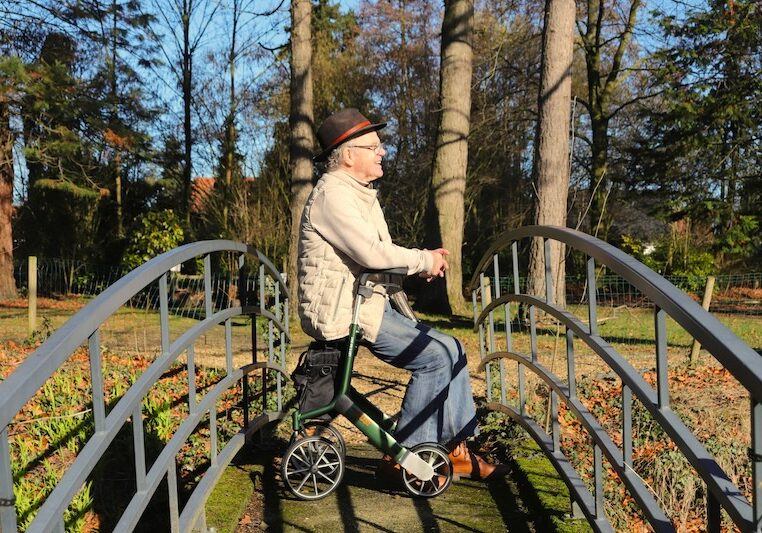
Physical & Environmental Well-Being
How do physical abilities and surroundings affect what a client is able to do and enjoy? What changes might create greater opportunities for movement, activity, comfort, and independence?

Skilled guidance & care
The 4 Steps for a Quality of Life Assessment
A Quality of Life Assessment helps identify opportunities to enhance everyday life. From there, I help turn those insights into practical next steps that can make daily life richer.
01
Conversation & Discovery.
I begin by listening. What has our client always loved? What does a good day look like? What has quietly disappeared from their life that they miss?
02
Identifying Opportunities.
With a fuller understanding of the client, I consider what might make daily life richer. That may mean reconnecting with something that has been lost, finding another way to enjoy a longtime activity, or exploring something new.
03
A Personalized Care Plan
I develop a plan grounded in what I have learned—considering what can be preserved, what can be adapted, and what approaches may open doors that changing abilities appeared to close.
04
Ongoing Monitoring & Adjustment.
I check in regularly to understand how the client is doing and whether the plan is making a meaningful difference. As needs, interests, or circumstances change, the plan can evolve as well.
Questions About Quality of Life Assessment?
It is not too late. The assessment helps identify what continues to bring comfort and enjoyment, as well as what may still be possible in a different form. When someone’s world has become more limited, even small opportunities to take part in familiar activities and experiences can add richness to daily life.
Begin the Conversation
Whether you have noticed changes in your own day-to-day life, are concerned about someone you care about, or simply wonder whether more may be possible, a Quality of Life Assessment can offer a fresh perspective.